Hydraulic and pneumatic cylinders are both designed to create linear motion, yet they operate on completely different principles. At a glance, they may look similar in shape and function, but the way they generate power, their performance capabilities, and their ideal usage environments make them suited for very different types of work. Understanding these differences helps engineers, factory owners, and system designers choose the right solution for safety, efficiency, and long-term cost effectiveness.
Power Medium: Liquid versus Air
The biggest distinction lies in the type of energy each system uses. Hydraulic cylinders operate by using pressurized liquid, usually oil. Because liquid does not compress, the force delivered by a hydraulic system is consistent and powerful. That is why hydraulic cylinders are heavily used in heavy machinery such as excavators, cranes, and lifting equipment.
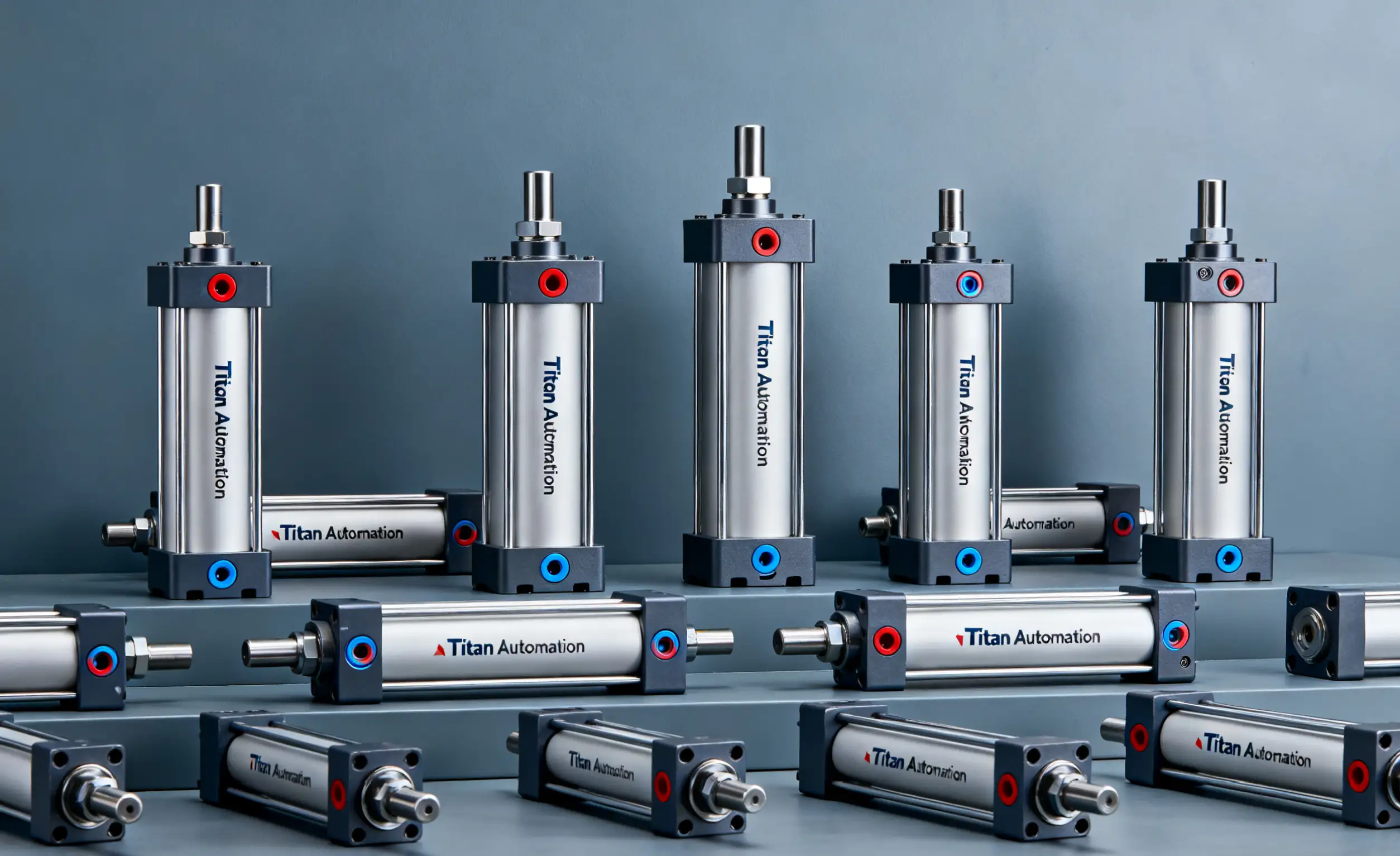
Pneumatic cylinders rely on compressed air. Air is lighter and compresses easily, which makes pneumatic systems faster and more responsive. However, air-powered systems cannot deliver the same force as hydraulics. This makes pneumatic cylinders better suited for lighter operations that require speed, repetition, and precise control, such as conveyor systems, packaging machines, and production automation.
Force Output and Performance
Hydraulic cylinders are built for tasks that demand high pressure. They can lift heavy loads, crush metal, and perform long strokes under intense force. When your project demands pure power, hydraulics are the best option.
In contrast, pneumatic cylinders shine in environments where quick motion and operational safety are essential. They respond rapidly and can execute thousands of cycles per hour with minimal wear. Manufacturers often choose pneumatic systems in industries like electronics, medical devices, and automotive assembly because they deliver efficient performance without excessive complexity.
Installation and System Complexity
Hydraulic systems require pumps, reservoirs, filters, and reinforced hoses to manage fluid under pressure. This means installation is more complex and requires skilled maintenance technicians. A small leak in a hydraulic system can become dangerous and expensive.
Pneumatic systems are cleaner and easier to install. They only need an air compressor, tubing, and control valves. If a line breaks, air simply escapes, causing no environmental damage. This simplicity makes pneumatics safer to use in sensitive areas like food processing facilities and pharmaceutical plants.
Maintenance and Operating Costs
Hydraulic systems must be carefully maintained to prevent leaks, overheating, and pressure loss. They use oil that requires periodic replacement, and contamination can lead to severe damage if not properly managed.
Pneumatic cylinders have fewer maintenance requirements. There is no oil to replace, and system issues are easier to identify. When purchasing from experienced pneumatic cylinder suppliers, customers receive products engineered to reduce air leakage and friction, improving efficiency while lowering operational costs.
Manufacturing Precision and Custom Design
Customization plays a major role in performance. Off-the-shelf parts work for general use, but advanced automation systems benefit greatly from custom-engineered designs. As a professional pneumatic cylinder manufacturer, Titan Automation specializes in producing tailored solutions for specific industry needs. With over two decades of experience, the company focuses on research, precision manufacturing, and in-house production to ensure consistent quality.
When cylinders are customized, they fit better, perform better, and last longer. This level of engineering reduces unexpected downtime and keeps automated systems operating smoothly even under heavy workloads.
Environmental and Safety Considerations
Hydraulic oil leaks can be hazardous to people and the environment. They pose fire risks and require proper handling and disposal. Pneumatic systems have a much lower environmental footprint. Since they use air, accidental leaks are harmless and easier to manage.
Safety-conscious industries increasingly favor pneumatics due to their cleaner operation and reduced risk. Pneumatic cylinders are also quieter in many applications, creating a better working environment for production teams.
Choosing the Right Technology
To determine which system to use, consider the nature of your workload. If you require immense lifting force or controlled pressure, hydraulics are ideal. If your focus is speed, precision, safety, and affordability, pneumatics offer better value.
The key to long-term success lies in selecting reliable components and trusted partners. Working with reputable pneumatic cylinder suppliers ensures access to durable products that meet strict quality standards. Choosing a skilled pneumatic cylinder manufacturer provides the advantage of engineered solutions designed for your specific application.
Final Thoughts
Hydraulic and pneumatic cylinders do not compete they complement. One dominates power applications, the other excels in automation and precision. Understanding the differences helps businesses invest wisely, increase productivity, and build more reliable machines for the future.